Examining Self-Limitation Features and Transaction Security in Switzerland's Licensed Online Gaming Platforms
Cameron Baumann · Aug 25, 2026
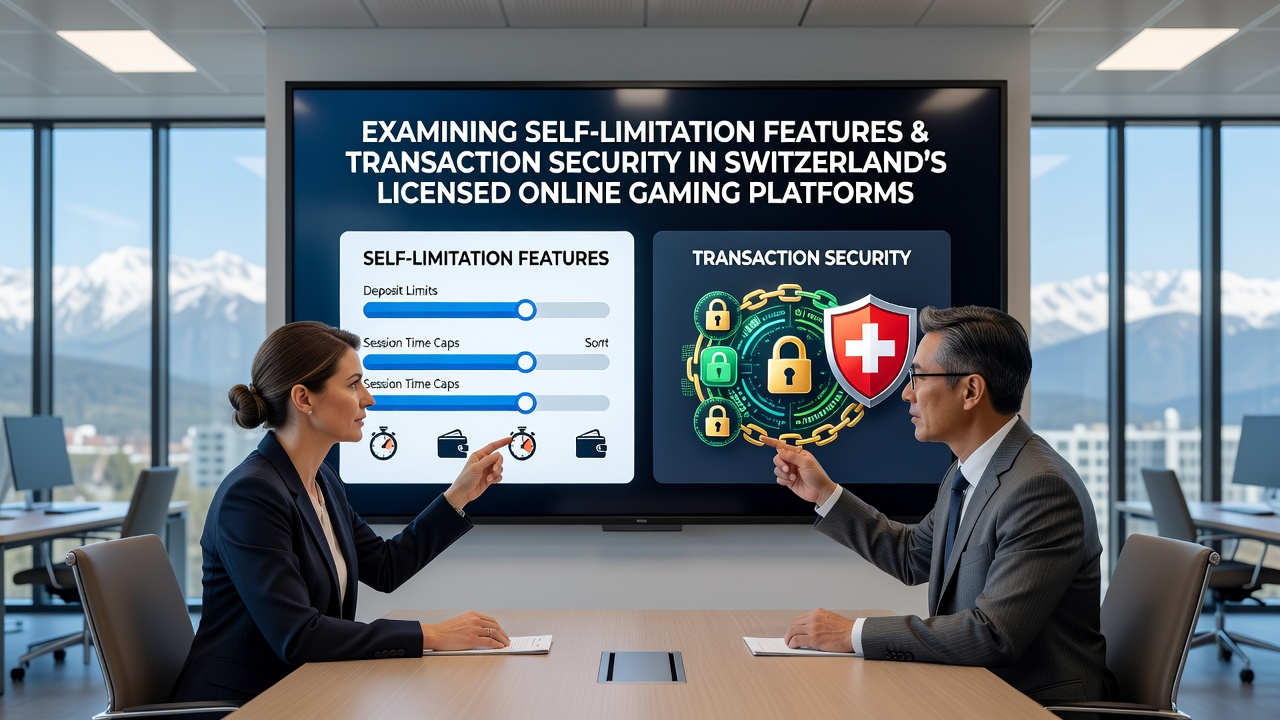
Examining Self-Limitation Features and Transaction Security in Switzerland's Licensed Online Gaming Platforms
Switzerland's licensed online gaming sector operates under the Federal Act on Gambling, which requires all platforms to integrate specific player protection mechanisms and robust payment safeguards before they receive authorization from the Federal Gaming Board. These rules apply uniformly across operators that hold Swiss licenses, and they shape how self-limitation tools function alongside transaction security protocols.Self-Limitation Tools Required by Regulation
Every licensed platform must offer players the ability to set personal deposit limits, loss limits, and session time limits directly through account settings, and these controls activate immediately upon confirmation. Research from regulatory monitoring programs shows that such features reduce excessive play patterns when players use them consistently, while data collected by the Federal Gaming Board indicates that voluntary limits remain the most common protective measure chosen by Swiss residents.
Operators also maintain integration with the national self-exclusion register, allowing users to block access across multiple sites for periods ranging from six months to permanent exclusion. Those who activate exclusion receive confirmation that their accounts stay closed and that no marketing reaches them during the exclusion window, and this system updates in real time so that new registrations cannot bypass existing blocks.
Transaction Security Standards and Compliance
Licensed platforms must encrypt all financial data using current TLS protocols and store payment details only in PCI-DSS certified environments, which reduces exposure during card processing and bank transfers. Payment methods accepted under Swiss rules include domestic bank transfers, approved e-wallets, and selected credit cards, each verified through two-factor authentication before funds move between player accounts and operator ledgers.
Anti-money laundering checks occur at registration and at defined transaction thresholds, with operators required to report suspicious activity to Swiss financial intelligence units. Figures released by the Federal Office of Justice reveal that compliance audits in recent years have focused on faster verification of player identities and on stricter monitoring of cross-border payment flows.
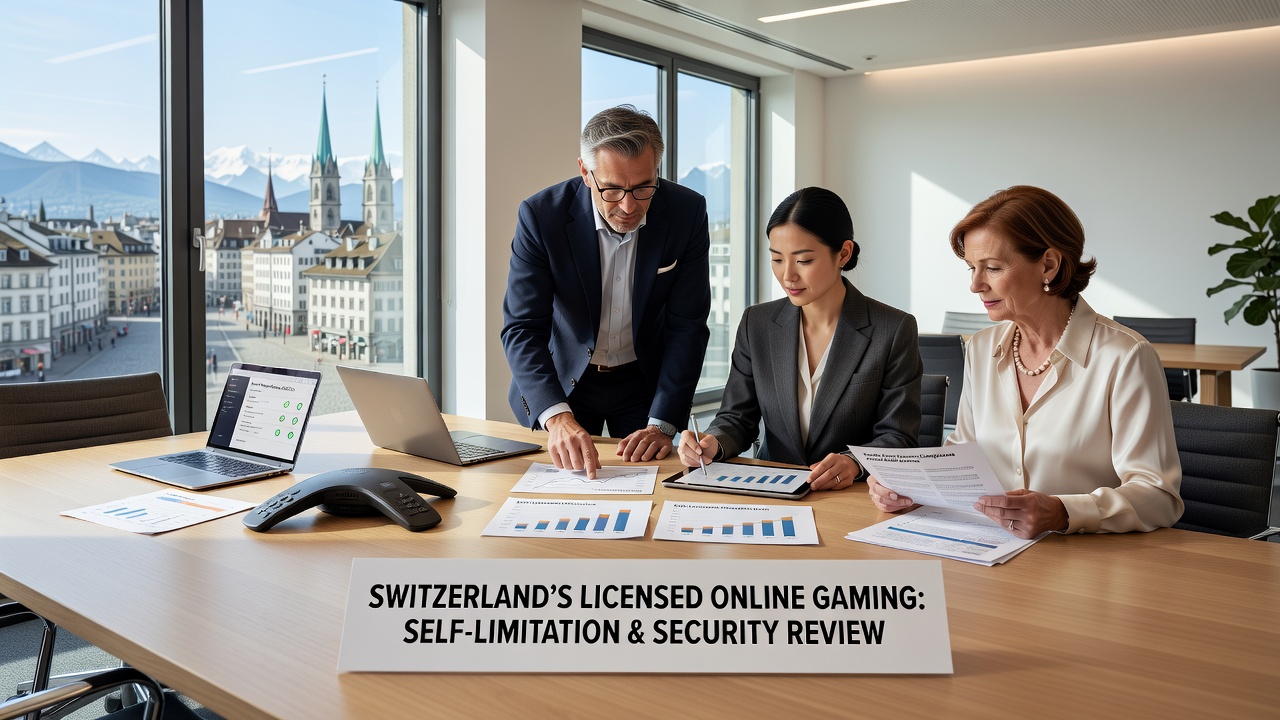
Integration of Limits and Security in Daily Operations
Platform software links self-limitation settings directly to payment gateways so that a deposit limit automatically blocks further transfers once the chosen threshold is reached. This connection prevents players from circumventing their own controls through alternative funding methods, and audit logs capture every blocked attempt for regulatory review.
Transaction monitoring systems also flag unusual activity that might indicate compromised accounts, such as rapid limit changes followed by large withdrawals. When such patterns appear, operators pause transactions until identity re-verification completes, and this step aligns with both data protection requirements under the Federal Act on Data Protection and gambling-specific security mandates.
Developments Scheduled for August 2026
Updated technical standards scheduled to take effect in August 2026 will require licensed operators to implement additional real-time risk scoring for transactions that cross certain velocity thresholds. These changes build on existing encryption rules and aim to strengthen defenses against automated fraud attempts while preserving the same self-limitation interfaces already familiar to players.
Testing phases conducted by several Swiss licensees during 2025 demonstrated that the new scoring layers integrate smoothly with current limit-setting tools, and observers note that similar enhancements have appeared in other regulated European markets without disrupting player access.
Conclusion
Switzerland's regulatory approach ties self-limitation features and transaction security into a single compliance framework that licensed platforms must maintain at all times. Operators document every limit adjustment and every payment verification step, which creates an auditable record that supports both player protection and financial integrity. As the August 2026 standards approach implementation, existing systems already provide the foundation for these refinements, ensuring continuity in how Swiss residents interact with secure, controlled gaming environments.